01 · POSITION
Place and time change the result
A celestial calculation is incomplete without a stated place and time. The same object appears differently with latitude, hour and horizon conditions.
YILDIZNAME
From astrolabes and manuscripts to observatories and the celestial calculation lab. See the same sky through different times.
One universe · different thresholds
Maunakea sky camera · 24/7 stream. Stars appear during local night; daylight and weather change the view.
Credit: NAOJ & Asahi ShimbunA digital museum of humanity's history of reading the sky.
Birth chart, lunar mansion, fixed stars, planetary hours, and classical Yıldızname reading. 200+ cities, DST detection, 9-tab result screen.
CALCULATE MY CHART ✦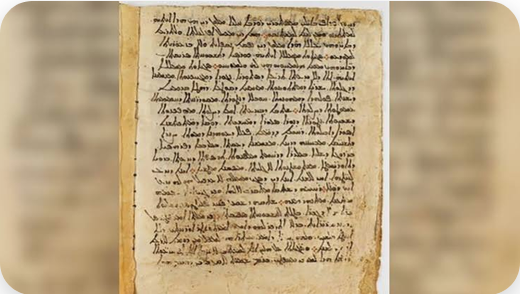
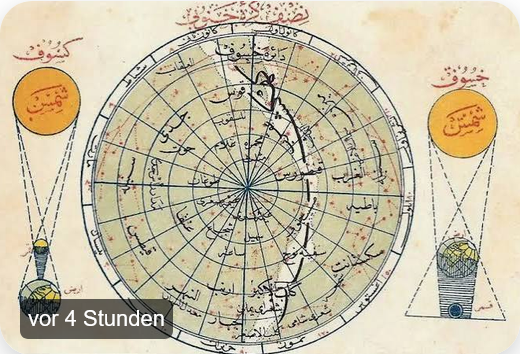
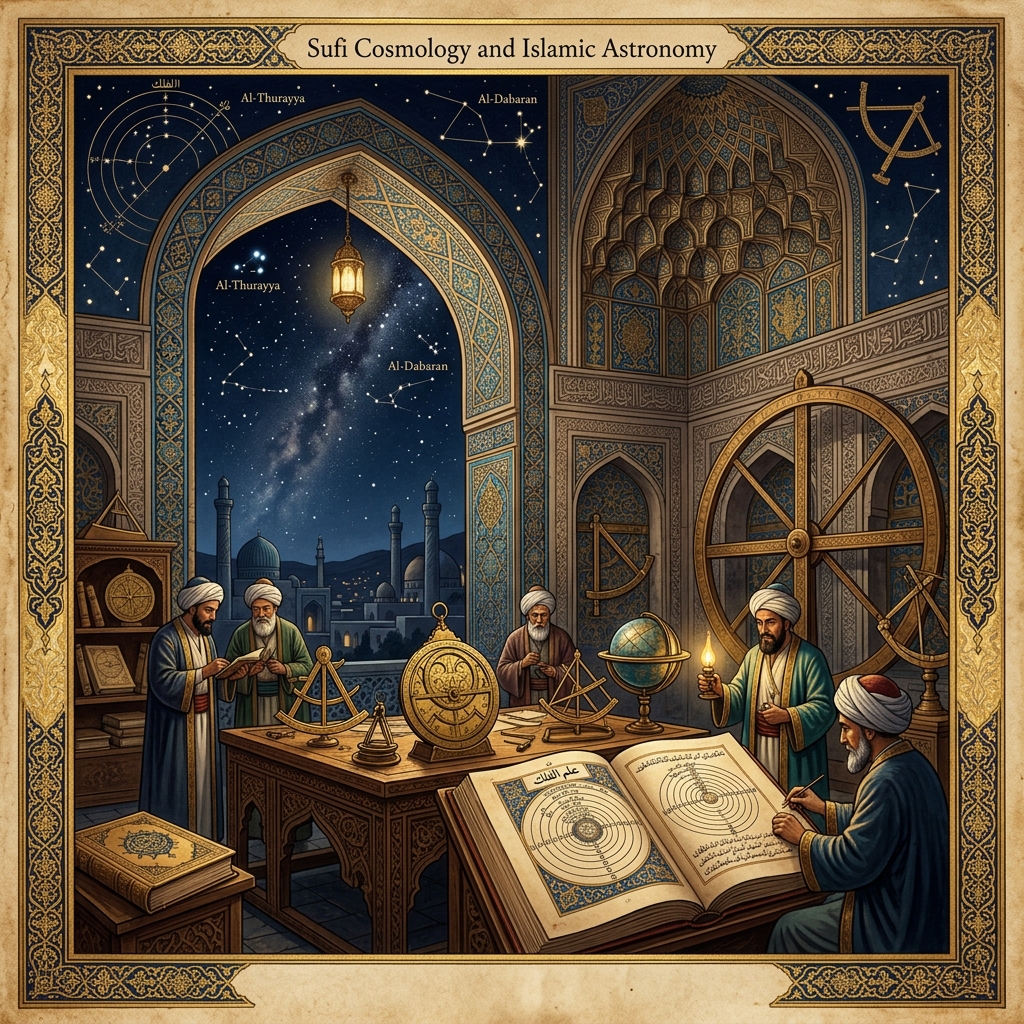
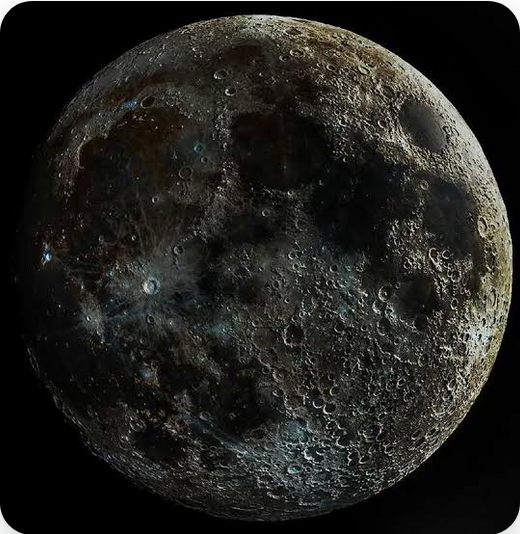
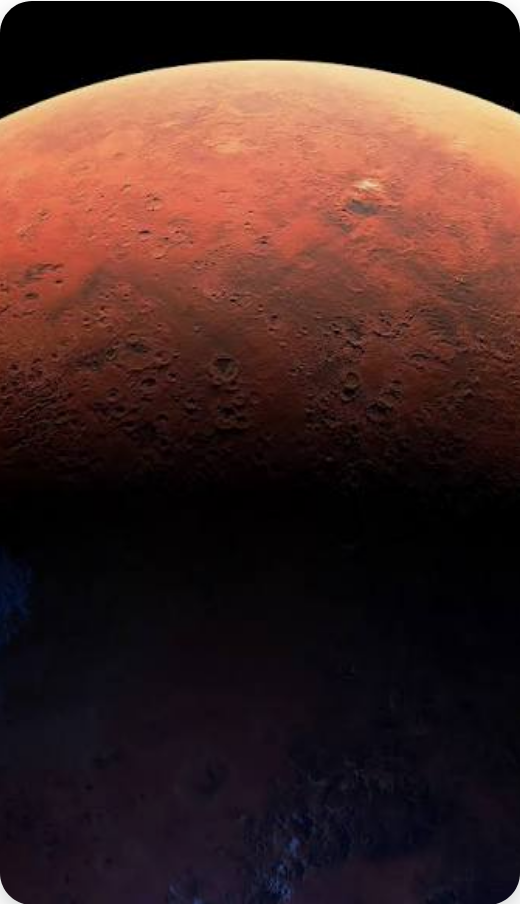
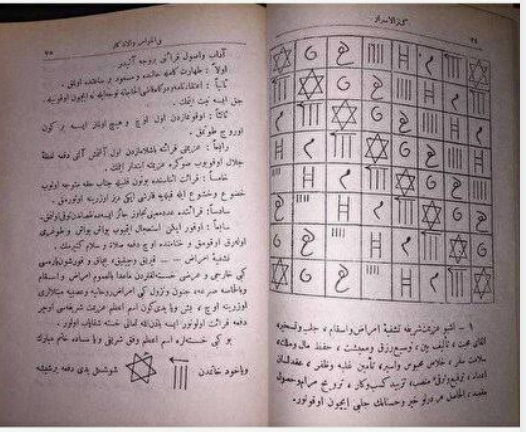
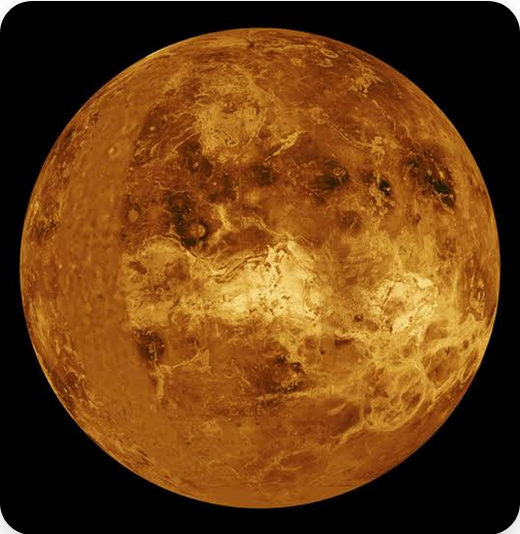
Planet images, manuscript pages, sky diagrams and imagined cosmological scenes. Historical documents and modern digital interpretations appear under separate headings.
ENTER GALLERY ✦Fundamental concepts and terminology of the celestial sciences.
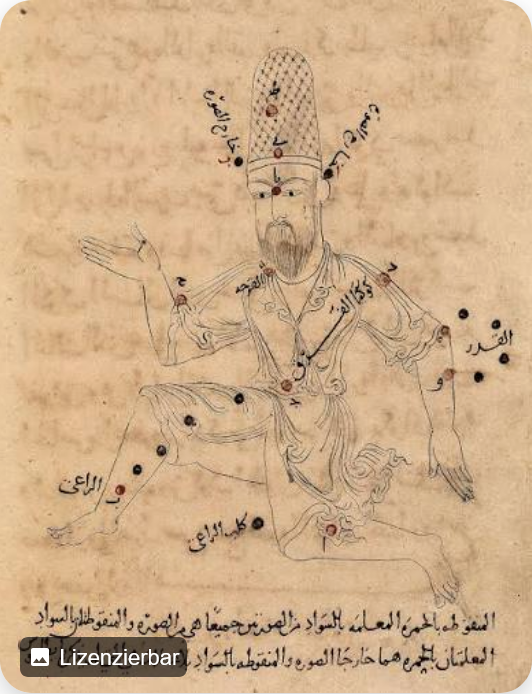
The science of stars. A broad tradition in the Islamic world studying the positions, movements of stars, and their influence on earthly events. Astronomy (ilm al-hay'a) and astrology (ahkam al-nujum) were both treated under this umbrella.
The science studying the structure and movements of celestial bodies astronomy in today's sense. A discipline in the Islamic world separated from ilm al-nujum, based on observation and mathematical calculation.
Mathematical tables and handbooks used to calculate the positions of planets, Sun, and Moon in the Islamic astronomical tradition. Zijes are the most systematic records of celestial observations throughout history.
The 12 divisions along the ecliptic plane through which the Sun travels annually. The zodiac concept was born in Babylonian astronomy and transmitted to Greek, Persian, Arab, Indian, and Turkic traditions. The difference between astronomical constellations and astrological signs has widened due to precession.
Fire, earth, air, and water the fundamental conceptual system connecting ancient cosmology, medicine, and astrology. Each zodiac sign and planet is associated with one of these elements.
Bile (hot-dry), blood (hot-moist), phlegm (cold-moist), black bile (cold-dry). The humoral theory bridging ancient medicine and astrology, forming the basis for connecting planets and signs to human temperament.
The practice of choosing the most auspicious time for a specific action. The tradition of determining 'auspicious hours' for important events like war, marriage, travel, and building construction.
The 28 divisions where the Moon lodges each night along its journey across the sky. Known as manzil al-qamar in Arabic, nakshatra in Indian, and xiù in Chinese tradition. One of the world's oldest and most widespread astronomical systems.
The seven wanderers of classical celestial science.
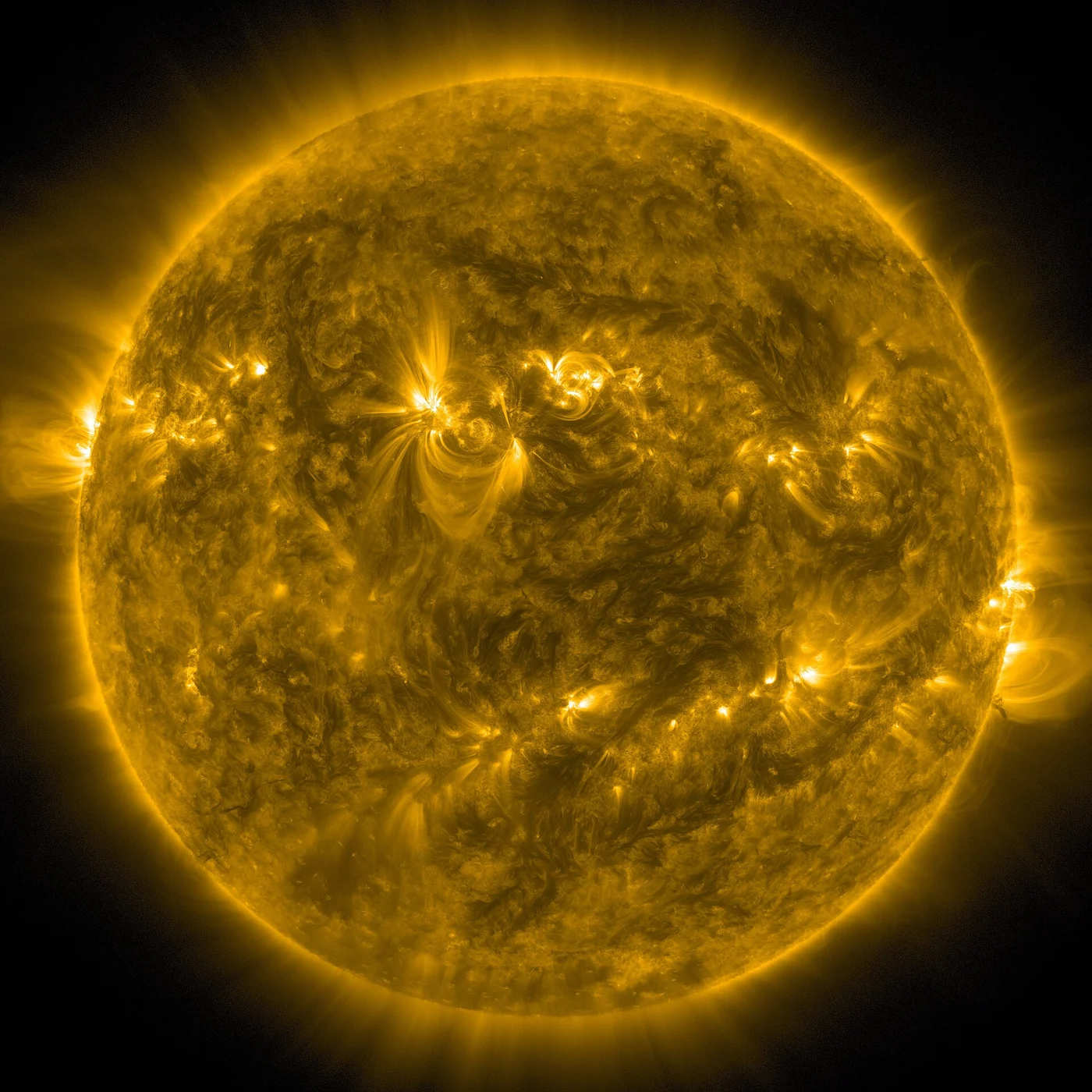
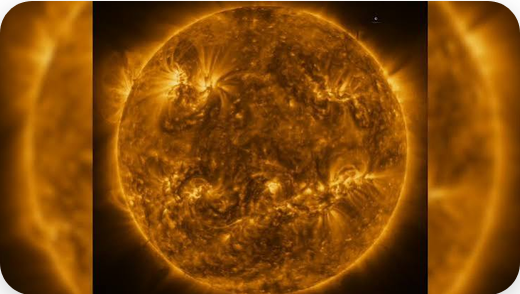
Solar disk observed by SDO/AIA on 18 December 2015. Scientific imagery; colours should not be read as a naked-eye view.
☉The central star of the Solar System. Counted as one of the seven planets in classical cosmology. Arabic: Shams, Persian: Khorshid, Turkish: Güneş.
☽Earth's natural satellite. One of the seven planets in classical cosmology. Arabic: Qamar, Persian: Mh, Turkish: Ay. In Islamic culture, the hill (crescent) is particularly significant.
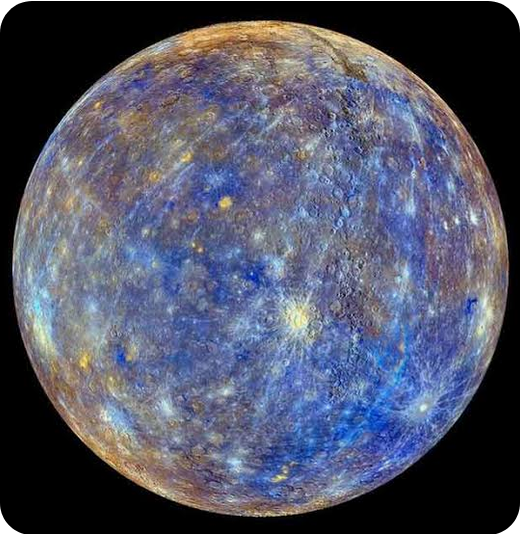 ☿
The closest planet to the Sun. Arabic: Utarid, Persian: Tîr. In classical astrology, the planet of intelligence, communication, commerce, and writing.
♀The second planet of the Solar System. Arabic: Zuhra, Persian: Nâhîd. The brightest celestial object visible to the naked eye (aside from Sun and Moon) as morning star and evening star.
♂The fourth planet of the Solar System. Arabic: Mirrikh, Persian: Bahrm. Associated with war and blood throughout history due to its red color.
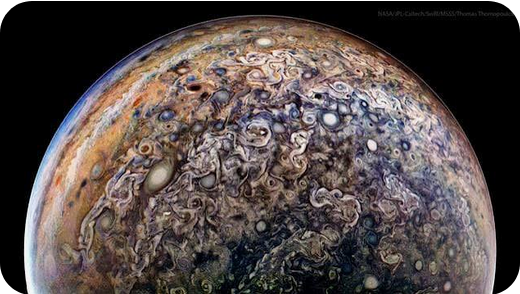 ♃
The largest planet in the Solar System. Arabic: Mushtari ('the buyer'), Persian: Hormuzd. Known in classical cosmology as 'the great fortune' (al-saʿd al-akbar).
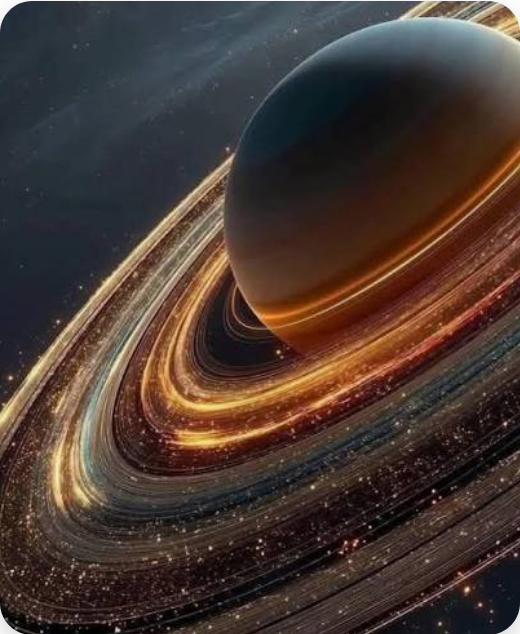 ♄
The sixth planet of the Solar System. Arabic: Zuhal, Persian: Kayvân. The most distant classical planet visible to the naked eye. Known in classical cosmology as 'the great misfortune' (al-nahs al-akbar).
The written memory of celestial science.
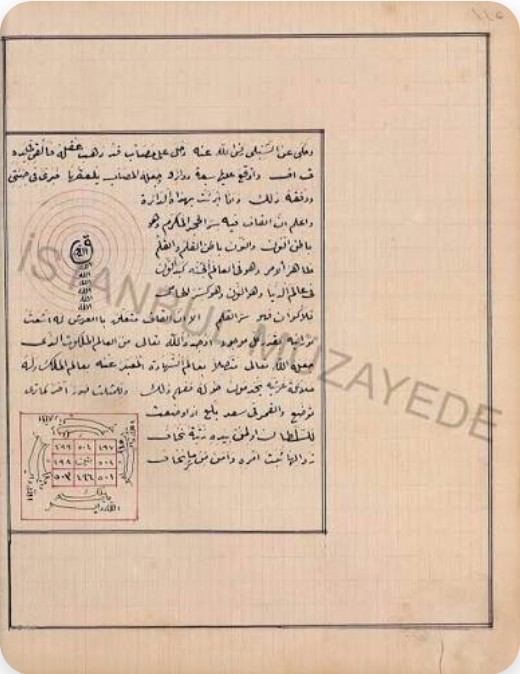
An important illustrated manuscript prepared for Sultan Murad III at the Ottoman court in 1582, translated from Arabic to Ottoman Turkish and attributed to the workshop of Nakkaş Osman.
A fundamental astronomy work written by Abd al-Rahman al-Sufi (903-986) in 964, cataloguing 48 constellations and 1,025 stars.
A 14th-15th century Arabic manuscript. A multilayered encyclopedic compilation bringing together astronomy, astrology, geomancy, jinn kings, zodiac depictions, prophet narratives, and folk beliefs. Preserved at the Bodleian Library.
An encyclopedic manuscript prepared in 1570 for Bijapur Sultan Ali Adil Shah I, uniting Muslim and Hindu astral traditions under a single roof. Meaning 'Stars of the Sciences,' this work contains 876 miniatures and is one of the most comprehensive astral magic encyclopedias produced in the Islamic world.
Planetary tables derived from 12 years of observations at the Maragha Observatory by Nasir al-Din al-Tusi (1272). One of the most important zijes of Islamic astronomy.
Star catalogue and planetary tables compiled at Ulugh Beg's Samarkand Observatory (1420-1437). Contains coordinates of 1,018 stars. Used as the most reliable star catalogue in Europe until the 17th century.
The fixed markers of the sky, the shared memory of cultures.
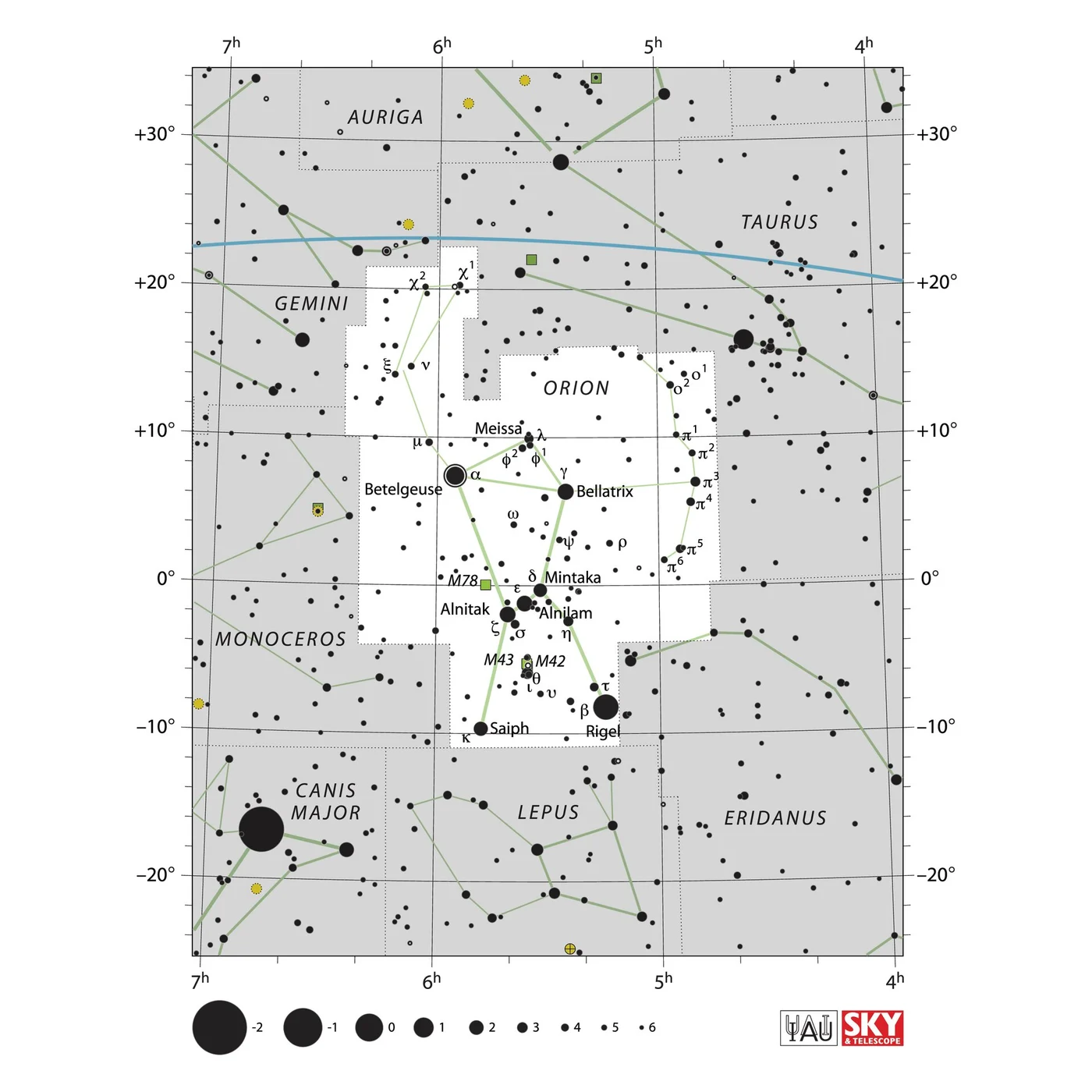
IAU chart of Orion. Lines and boundaries are not physical connections in the sky.
The brightest star in the night sky. Located in the constellation Canis Major. Arabic: al-Shiör al-Yamniyya. Mentioned in the Quran in Surat al-Najm (53:49) as 'al-Shiör.'
The brightest star of Taurus constellation. Its name comes from Arabic meaning 'the follower' because it appears to follow the Pleiades star cluster.
An open star cluster in Taurus. Arabic: al-Thurayy, Turkish: Ülker, Persian: Parvin. 6-7 stars visible to the naked eye. Has a separate name and story in nearly every culture on Earth.
The brightest star of Scorpius. Means 'heart of the scorpion.' Can be confused with Mars due to its red color its Greek name Antares ('rival of Mars') comes from this.
The second brightest star in the night sky. Located in the constellation Carina. Arabic/Persian: Suhayl. Critically important for navigation in the southern hemisphere.
The brightest star of the Lyra constellation. Its Arabic name means 'the landing eagle.' The brightest star of the Summer Triangle (Vega, Deneb, Altair).
Great structures where humanity gazed at the sky.
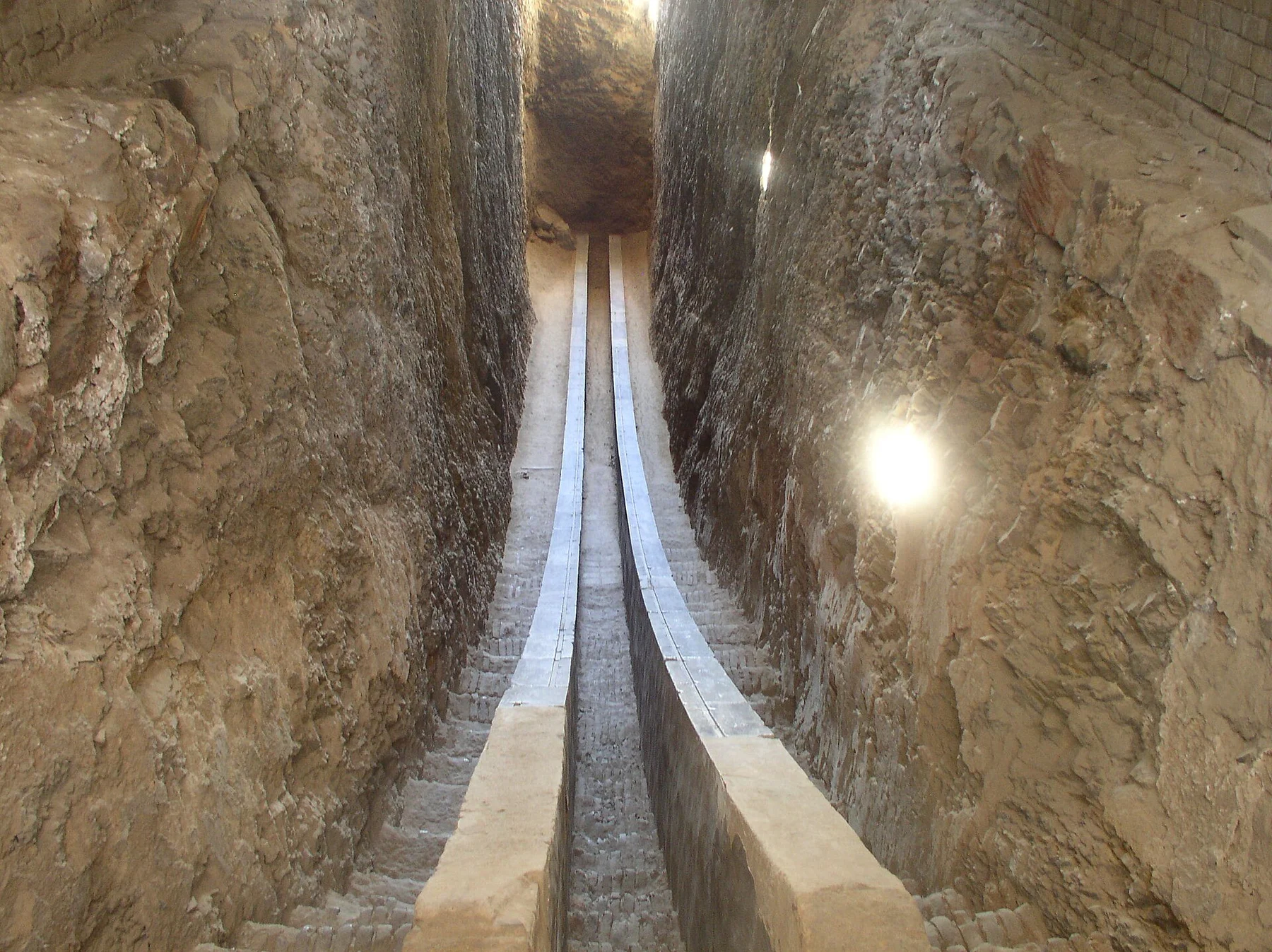
The surviving meridian arc of Ulugh Beg’s observatory in Samarkand. The photograph shows the underground part of the historical measuring instrument.
The largest observatory of its era, established in Samarkand in 1420 by the Timurid ruler and astronomer Ulugh Beg. Contained a massive Fakhri sextant (radius ~40 m, height ~30 m).
Observatory established in 1259 under the patronage of Ilkhanid ruler Hulagu Khan, directed by Nasir al-Din al-Tusi. One of the most important centers of Islamic astronomy.
Observatory established in Istanbul in 1577 by Ottoman chief astronomer Taqi al-Din al-Rcid by order of Sultan Murad III. Contemporary with Tycho Brahe's Uraniborg observatory in Denmark (1576).
Instruments that measured the sky.
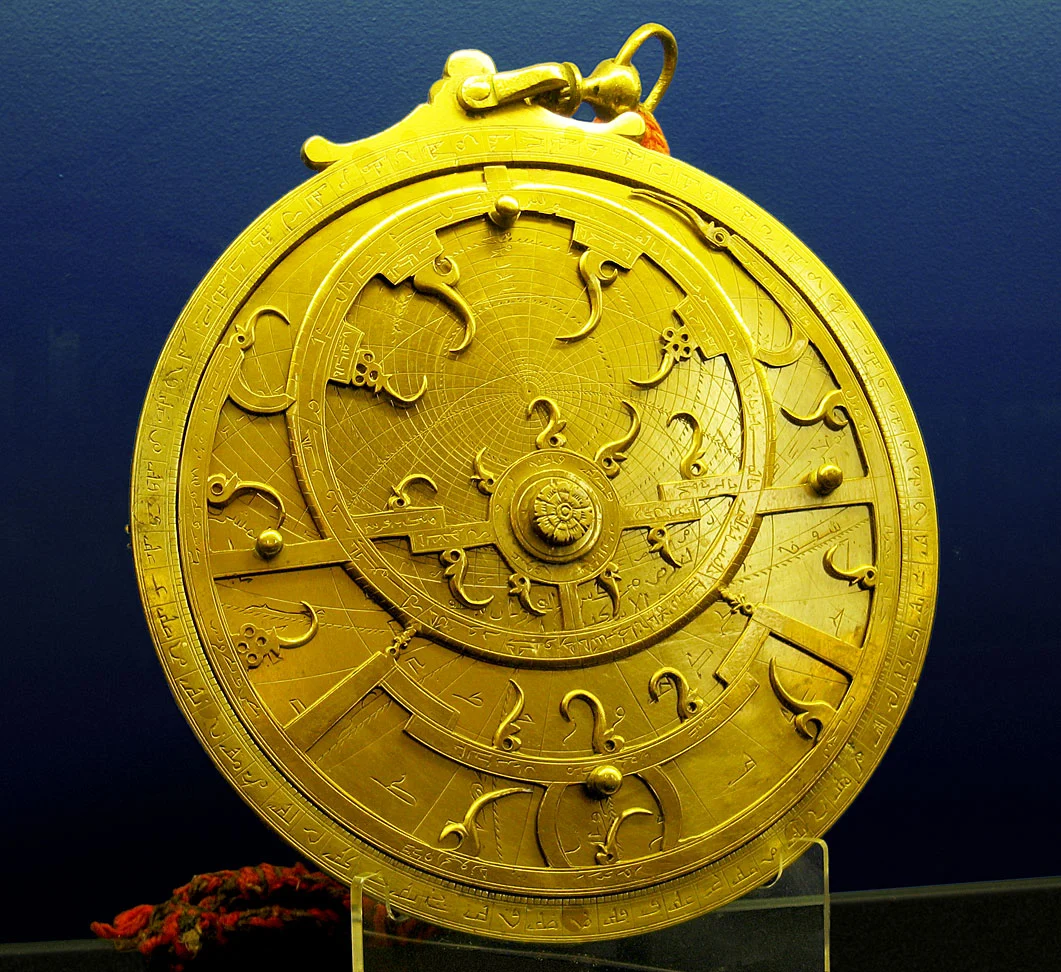
An 18th-century Persian astrolabe at the Whipple Museum of the History of Science. A photograph of a real instrument.
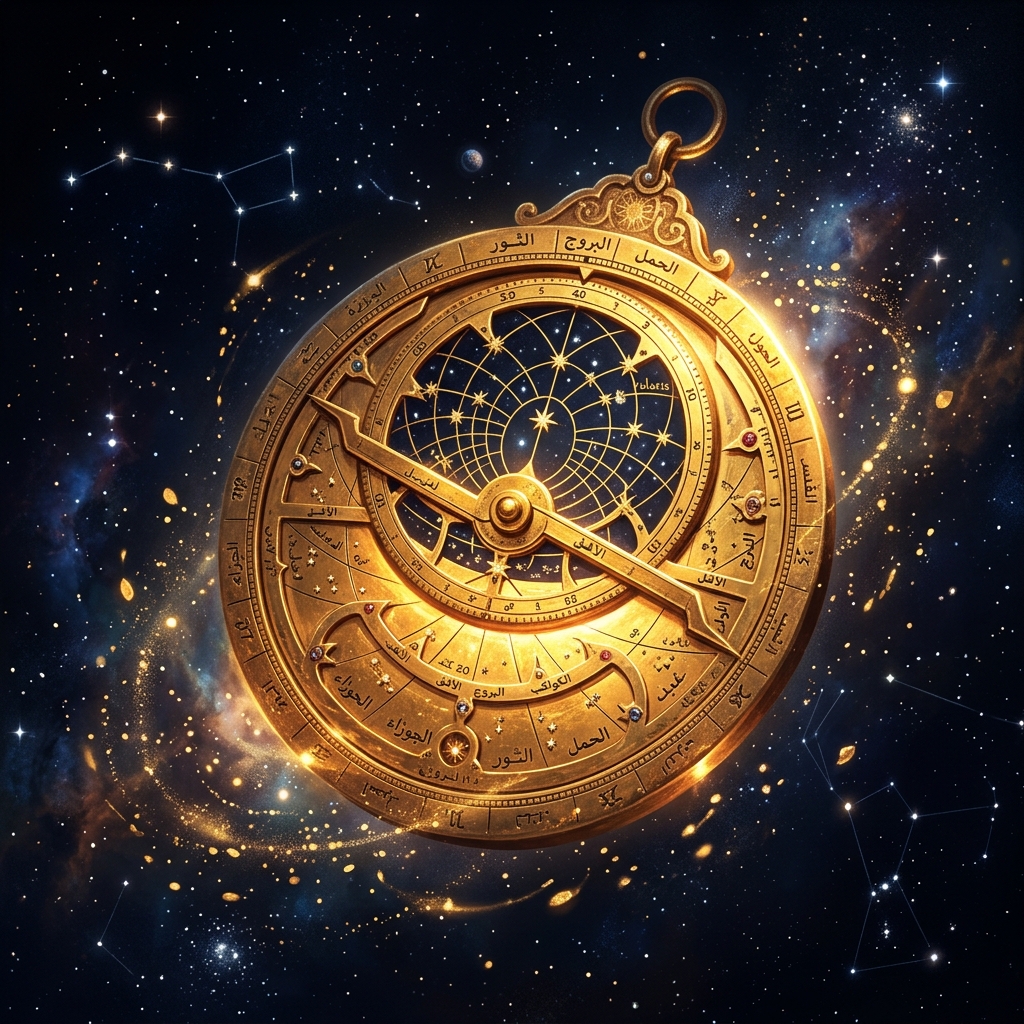
A multifunctional astronomical instrument that is a two-dimensional projection of the celestial sphere, used to determine star positions, measure time and direction. From Greek astrolabos, meaning 'star-catcher.'
A quarter-circle shaped astronomical instrument unique to the Islamic world, used for trigonometric calculations, solar altitude measurement, and prayer time determination. Sine and cosine lines (juykb) are inscribed on the edges this functions as a 'portable calculator.'
A three-dimensional model of the celestial sphere consisting of interlocking metal rings. Shows the ecliptic, equator, meridian, and horizon rings. The most elegant tool developed by astronomy for 'understanding the celestial sphere.'
The twelve divisions of the ecliptic belt, the shared symbolic language of cultures.
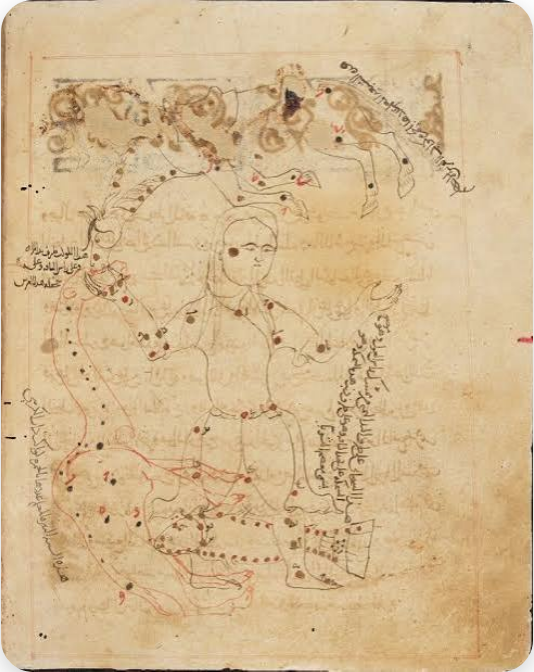
The first sign of the ecliptic. It marks the spring equinox (March 21) and is therefore considered the beginning of the year in many cultures. Catalogued in Babylonian astronomy in the 1st millennium BCE on the MUL.APIN tablets. Arabic: al-Hamal (ram), Persian: Bare, Sanskrit: Mesha. The ram figure is one of the oldest symbols of the sky: its representation as the ram-headed Amun-Ra in Egypt shows that the cultural origins of this constellation extend to the 2nd millennium BCE.
The second sign of the ecliptic. Containing the Pleiades (Thurayya) and Aldebaran star clusters, it is the constellation most observed by humanity since prehistoric times. Bull depictions in Lascaux cave paintings (~15,000 BCE) and bull heads at Çatalhöyük (~7,500 BCE) prove this symbol existed long before written history. In Babylon: GU.AN.NA ('Bull of Heaven'), in Sumerian mythology the Bull of Heaven sent by Inanna.
The third sign of the ecliptic. Its two bright stars Castor and Pollux represent the twin brothers of Greek mythology. Arabic: al-Jawzö, Persian: Du-Paykar. The twins motif symbolizes cosmic balance and unity of opposites in virtually every culture.
The fourth sign of the ecliptic. Marks the summer solstice (around June 21). Contains the famous Beehive Cluster (Praesepe/M44). The smallest and faintest zodiac constellation, yet of great astronomical importance the summer solstice point was located here.
The fifth sign of the ecliptic. Its brightest star Regulus (Qalb al-Asad, Heart of the Lion) is one of the four Royal Stars in Persian tradition. The only sign considered the 'home' of the Sun, it has symbolized royalty and power throughout history.
The sixth sign of the ecliptic and the largest constellation (1,294 sq degrees). Brightest star: Spica (al-Simk al-Aözal, magnitude 0.97). Has a strong connection with the agricultural cycle symbolizes harvest season. The figure of a maiden holding grain has been preserved from Babylon to Rome and the Islamic world.
The seventh sign of the ecliptic. Marks the autumn equinox. The only zodiac sign representing an inanimate object. Arabic: al-Mizan (scales), symbol of justice and balance. Interestingly, this sign was not recognized as an independent constellation before the Roman period the Greeks considered it the claws of Scorpio.
The eighth sign of the ecliptic. Brightest star: Antares (Qalb al-öAqrab, magnitude 1.06). One of the most recognizable constellations its curved tail and stinger shape are easily traced with the naked eye. Antares' red color causes confusion with Mars its Greek name means 'rival of Mars.'
The ninth sign of the ecliptic. Faces the center of the Milky Way the densest star fields, nebulae, and celestial structures are seen in this direction. The galactic center (Sgr A*, supermassive black hole) lies within this constellation's boundaries. Arabic: al-Qaws (bow), Persian: Kamn.
The tenth sign of the ecliptic. Marks the winter solstice (around Dec 21). The 'Tropic of Capricorn' (23.5°G) is named after this sign. In Sumerian mythology, depicted as the goat-fish hybrid creature Suhurmaau one of the zodiac's oldest and strangest iconographies.
The eleventh sign of the ecliptic. Arabic: al-Dalw (bucket), water-pouring figure. Associated with the Sumerian water god Enki. Near the star Fomalhaut ('Mouth of the Fish') one of the four Royal Stars in Persian tradition (Watcher of the South).
The twelfth and last sign of the ecliptic. Contains the vernal point of the March equinox (currently here due to precession). Arabic: al-Hut (fish), Persian: Mahi. As the closure and restart of the zodiac cycle, it symbolizes both ending and renewal.
Manzil al-Qamar The Moon's 28 lodgings in the sky.
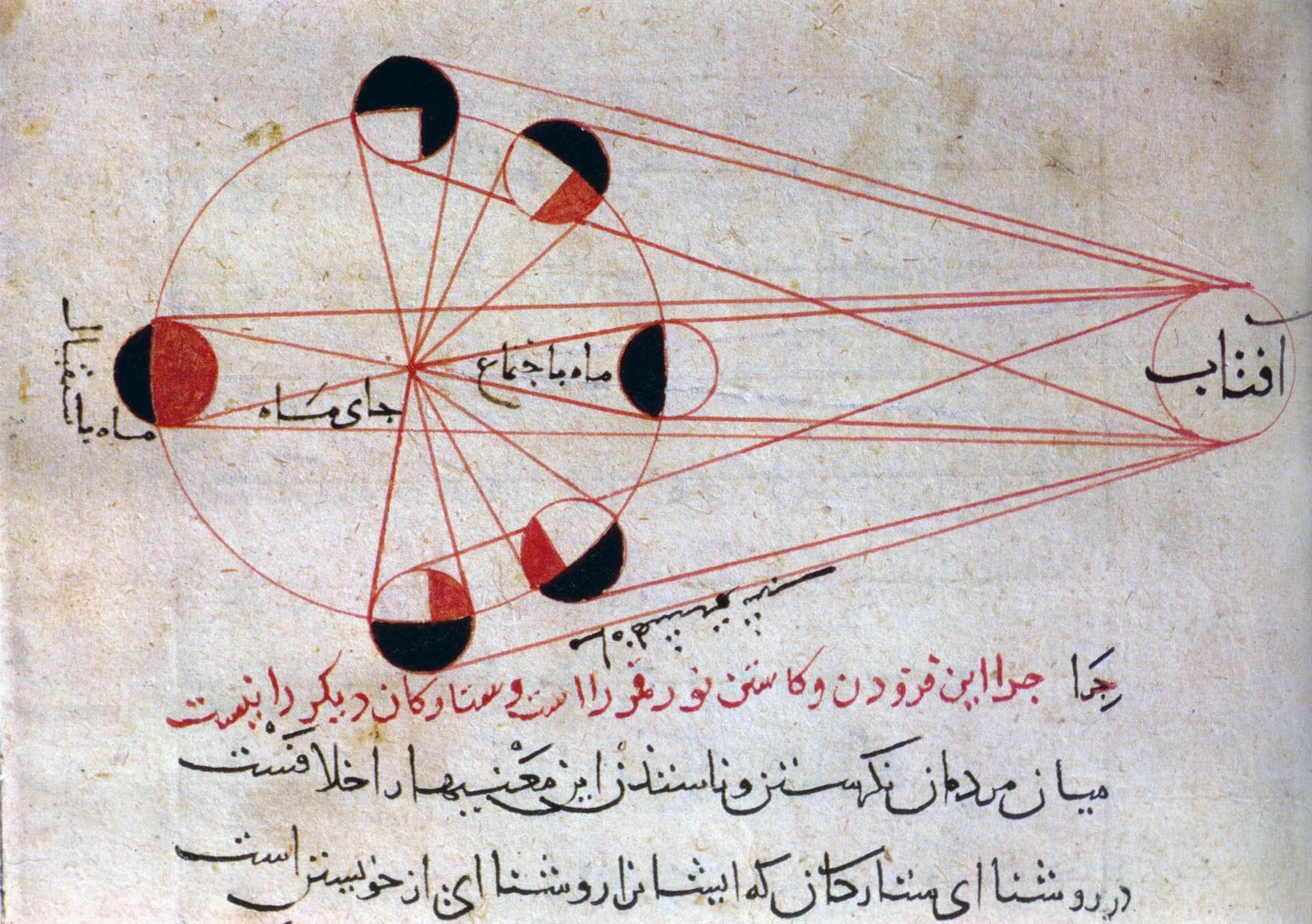
Historical diagram explaining lunar phases by al-Biruni. A manuscript image, not a current sky measurement.
The Two Signs. Stars Beta and Gamma Arietis. The first of the lunar mansions the beginning of the 28-night cycle across the sky. Associated with the beginning of spring rains in the Arabic anwâ tradition. This mansion is the 'gate of the sky' the entire cycle begins here and returns from the 28th mansion al-Rishö.
The Little Belly. Three small stars in Aries. Anwâ: gentle winds, soil warms. Time for soil preparation in agriculture. In Arabic tradition, this mansion is described as 'calm but preparatory' nature is quietly awakening.
The Pleiades star cluster. The most recognized of all lunar mansions. Symbol of beauty and abundance in Arabic poetry. Fundamental reference for navigation, agriculture, and calendars.
The Follower (follows the Pleiades). The star Aldebaran (Alpha Tauri) one of the 15 brightest stars in the night sky. One of the four Royal Stars in Persian tradition (Watcher of the East Tascheter). Anwâ: cold north winds.
The White Spot. Three stars at the head of Orion. Anwâ: beginning of the coldest winter period. Rest time in agriculture.
The Brand/Mark. Southern part of Gemini (Mu and Nu Geminorum). Anwâ: cold continues but begins to decrease. In desert traditions, this mansion is interpreted as 'winter's back is broken.'
The Arm/Forearm. Castor and Pollux (Alpha and Beta Geminorum) the two brightest stars of Gemini. Anwâ: mid-winter, severe cold. The coldest night in North Arabian tradition.
The Nostril / Nose Tip. The Praesepe (Beehive/M44) open cluster in Cancer. Anwâ: cold eases, signs of spring. This cluster appears as a hazy patch to the naked eye ancient observers interpreted it as 'vapor from a nostril.'
The Glance/Eye. The Lion's eyes (Lambda and Epsilon Leonis). Anwâ: spring warmth begins, plants sprout. 'The lion opened its eye' was said a reference both to Leo rising in the real sky and nature's awakening.
The Forehead. Regulus (Alpha Leonis) and surrounding stars. The Lion's forehead. Anwâ: heat increases, field work intensifies. Regulus is one of the four Persian Royal Stars (Watcher of the North) being the bright star closest to the ecliptic makes it special.
The Mane. Delta and Theta Leonis. The Lion's back and mane. Anwâ: hot winds, peak agricultural activity. The saying 'the lion's mane bristled' refers to the hot winds of this period.
The Change/Turn. Beta Leonis (Denebola) 'the lion's tail.' Marks seasonal transition. Anwâ: peak summer heat, wind direction changes. This mansion is known as the 'gate of seasonal turning' in Arabic tradition.
The Barker / Howler. Five-star group in the Virgo constellation. Anwâ: harvest season begins. Dates ripen. The name 'Barker' is associated with desert dogs becoming active at night during this period.
The Elevated / Unarmed Simk. Spica (Alpha Virginis) one of the 20 brightest stars in the night sky. Represents the wheat sheaf in Virgo's hand. Anwâ: midsummer, winds strengthen. Important navigation reference star.
The Cover/Veil. Three stars in the northern part of Libra. Anwâ: heat decreases, signs of autumn. The name 'Cover' refers to the land being 'covered' with crops at this time, or the sky being 'veiled' with autumn mists.
The Two Claws. Alpha and Beta Librae (Zubenelgenubi and Zubeneschamali). The two pans of the scales. Anwâ: autumn rains begin. These stars' Arabic names mean 'Southern Claw' and 'Northern Claw' a memory of Scorpio's former claws.
The Crown. Three stars at the head of Scorpio (Beta, Delta, Pi Scorpii). Anwâ: autumn rains strengthen. The 'Crown' name comes from these stars' arrangement like a diadem on the Scorpion's head.
The Heart. Antares (Alpha Scorpii) Heart of the Scorpion. Red supergiant. One of four Royal Stars in Persian tradition (Watcher of the West). Anwâ: heavy rains, flood risk. A colossal star that would extend to Mars's orbit if placed at the Sun's position.
The Sting. Lambda and Upsilon Scorpii. The Scorpion's tail sting. Anwâ: winter approaches, nights lengthen. This mansion represents the Scorpion's most dangerous part its venomous stinger.
The Ostriches. Star group in the northern part of Sagittarius. Divided into 'drinking' and 'returning' ostriches. Anwâ: early winter. Ostrich observation in Arab desert life was important for weather prediction.
The Empty Place / City. A starless region in the southern part of Sagittarius. Paradoxically, the 'void' is itself a mansion. Anwâ: mid-winter, shortest day. This 'silence' in the sky represents the deepest moment of winter.
The Fortune of the Slaughterer. Alpha and Beta Capricorni. Head of Capricorn. The 'Saöd' series consists of four mansions (22-25) all considered auspicious. Anwâ: cold but hopeful. The 'Slaughterer' name comes from the timing of sacrificial rituals in this period.
The Fortune of the Swallower. Mu and Epsilon Aquarii. Metaphor of water being swallowed. Anwâ: winter begins to retreat. 'Swallowing' the earth absorbs rainwater, groundwater replenishes.
The Fortune of Fortunes. Beta Aquarii (Sadalsuud) and surroundings. The most auspicious of the Saöd series 'the fortune of fortunes.' Anwâ: spring approaches, nature begins to awaken, animals mate. The most hopeful mansion of the cycle.
The Fortune of the Tents. Gamma Aquarii and surroundings. 'Tents' symbolize shelter and protection. Anwâ: spring approaches, shepherds take herds to pasture. The last of the Saöd series nomads can now pitch their tents and set off.
The Front Spout. Alpha and Beta Pegasi (Markab and Scheat). Northern part of Pegasus. 'Spout' metaphor of a water channel from a bucket. Anwâ: rains and fertility period.
The Rear Spout. Gamma Pegasi (Algenib) and Alpha Andromedae (Alpheratz/Sirrah). Southern part of the Great Square of Pegasus. Anwâ: spring rains continue.
The Rope / Belly of the Fish. Beta Andromedae (Mirach). The final mansion the cycle completes and returns to al-Sharamn. Anwâ: spring has fully arrived, a new cycle begins. This final mansion symbolizes the Moon's eternal journey and nature's renewal cycle.
Celestial tradition between court, madrasa, and folk.
Official position in the Ottoman court responsible for observing the sky, calculating calendars, determining equinoxes and crescents, setting festival dates, and informing the sultan of 'auspicious hours.' The chief astronomer was both astronomer and astrologer.
Illustrated manuscripts prepared in Ottoman and Safavid courts, where prophecies were read from randomly opened pages. Flnmas are important documents where the yıldızname tradition meets the popular layer.
Chief painter of the 16th-century Ottoman court painting workshop (nakkaşhane). Responsible for miniatures of manuscripts from the Murad III period. The most iconic depictions of stars and cosmology came from his workshop. The 72 miniatures of Matali' al-Sa'adah are attributed to this workshop.
Ala al-Din Ali bin Muhammad al-Qushji (1403-1474). Student of Ulugh Beg and observatory director in Samarkand, later invited by Fatih Sultan Mehmed to join Ottoman intellectual life and restructure madrasa astronomy.
The scientific and celestial heritage of Transoxiana.
The surviving meridian arc of Ulugh Beg’s observatory in Samarkand. The photograph shows the underground part of the historical measuring instrument.
Mirza Muhammad Taraghay bin Shahrukh (1394-1449). Timurid ruler, mathematician, and astronomer. Founder of the Samarkand Observatory. One of history's rare scientist-rulers who actively conducted observation.
Abu Rayhan Muhammad ibn Ahmad al-Biruni (973-1048). Khwarezmian polymath produced pioneering works in astronomy, mathematics, physics, geography, history, and pharmacology.
Salah al-Din Musa ibn Muhammad (c. 1364-1436). Ottoman mathematician-astronomer born in Bursa. Chief teacher of Ulugh Beg and scientific director of the Samarkand Observatory.
Great names who read the sky.
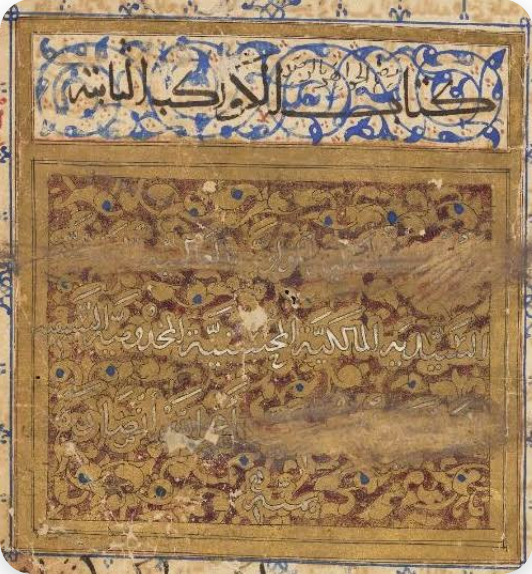
190-120 BCE. Ancient Greek astronomer and mathematician born in Nicaea (modern İznik). Discoverer of the precession of the equinoxes, creator of the first systematic star catalogue (850+ stars), and founder of spherical trigonometry.
Claudius Ptolemy (100-170 CE). Alexandrian astronomer, mathematician, and geographer. His 'Almagest' remained the primary astronomical reference in both Islamic and Christian worlds for 1400 years. Codified classical astrology with 'Tetrabiblos.'
Abu Abd Allah al-Battani (858-929). Great Islamic astronomer and mathematician born in Harran, observed in Raqqa. Calculated the solar year's length as 365 days, 5 hours, 46 minutes, 24 seconds.
Abu al-Hasan Ibn Yunus (950-1009). Egyptian astronomer who observed at the Fatimid court in Cairo. His 'Zij al-Hakimi' represents a peak of observational astronomy in the medieval Islamic world.
Abu Ja'far Nasir al-Din al-Tusi (1201-1274). Persian polymath who founded the Maragha Observatory and created the 'Tusi couple,' a critical mathematical device on the path to the Copernican revolution.
Nicolaus Copernicus (1473-1543). Polish astronomer and mathematician. He changed the history of science by proposing the heliocentric (Sun-centered) model of the universe. His work "De Revolutionibus Orbium Coelestium" (1543) is one of the founding texts of modern astronomy.
Johannes Kepler (1571-1630). German astronomer, astrologer, and mathematician. Discovered that planetary orbits are elliptical rather than circular (Kepler's Laws), laying the foundations of modern celestial mechanics.
Galileo Galilei (1564-1642). Italian physicist, mathematician, and astronomer. Developed and pointed the telescope to the sky, discovering Jupiter's moons, Venus's phases, and sunspots.
Systems that turned the sky into time.
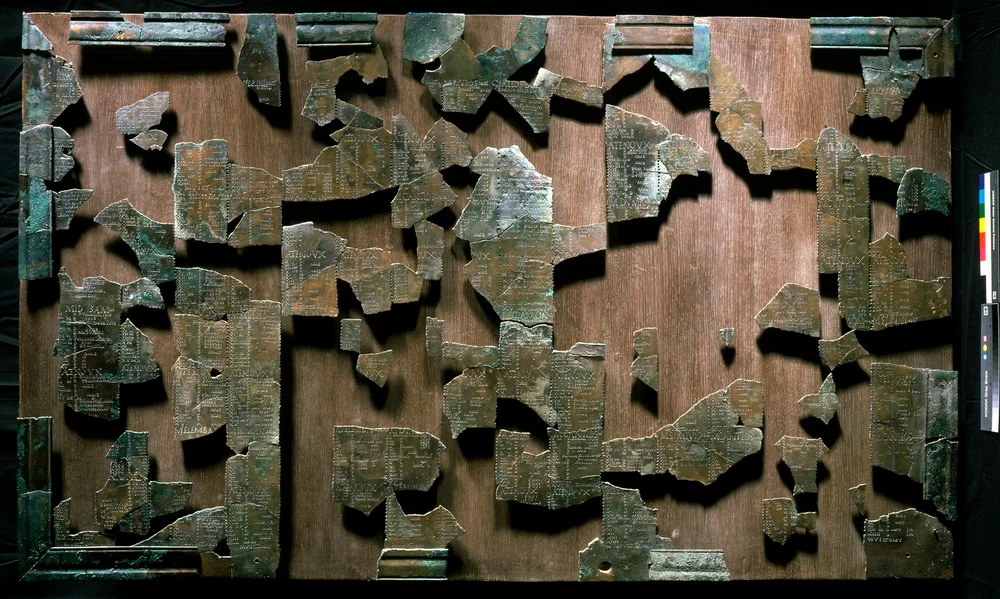
The Coligny calendar at the Lugdunum Museum, a historical tablet documenting a Gaulish calendar tradition.
Islamic calendar based on lunar phases, 12 months ö 29-30 days = 354-355 days. Starting point is the Prophet Muhammad's migration from Mecca to Medina (Hijra, 622 CE). Shifts approximately 11 days back each year relative to the solar calendar.
Solar calendar created in 1079 by a commission led by Omar Khayyam, ordered by Seljuk Sultan Malikshah. Year length calculated as 365.24219858 days more accurate than the Gregorian calendar. Foundation of Iranian and Afghan calendars.
Solar calendar used in the Ottoman Empire for financial affairs and civil administration. Based on the Julian calendar but using the Hijri starting year (622). Replaced by the Gregorian calendar in 1917.
Lunisolar calendar combining solar and lunar cycles. Famous for its 12-Animal Zodiac (Shö-ör Shēngxiào) cycle. This 12-animal cycle is also used in Turkic, Mongol, and other Inner Asian cultures.
A solar 12-year cyclical calendar system used in Old Turkic and Mongol traditions, where each year is named after an animal: Rat, Ox, Leopard, Rabbit, Dragon, Snake, Horse, Sheep, Monkey, Rooster, Dog, and Pig.
Mesoamerica's most complex calendar system. Consists of three interlocking calendars: Tzolkin (260-day ritual calendar), Haab (365-day civil calendar), and the Long Count (5,125-year cycle).
Reflections of the sky in everyday life.
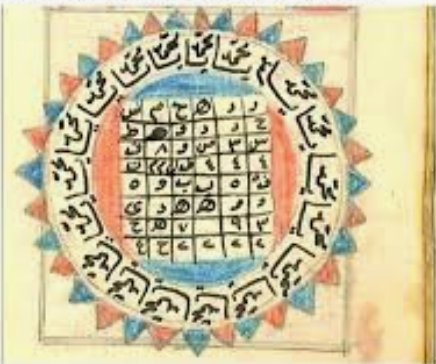
Pre-Islamic Arab empirical system of weather forecasting and agricultural planning based on the heliacal setting and rising of specific lunar mansions (stars).
An ancient seasonal festival celebrated on May 5-6, symbolizing the awakening of nature and the arrival of summer. Commemorates the mythical meeting of prophets Khidr and Elias.
In nearly every culture, there is a tradition of making wishes upon seeing a shooting star (meteor). In Islamic tradition, meteors are interpreted as 'fireballs' thrown to prevent jinn from eavesdropping on the heavens (Quran, Sura al-Jinn 72:8-9).
The North Star (Polaris, Alpha Ursae Minoris) has been used for navigation in the northern hemisphere for thousands of years. Arab sailors called it 'al-Jady' (Little Goat). Was the foundation of navigation before the compass.
Critique of astrology: the Islamic world and beyond.
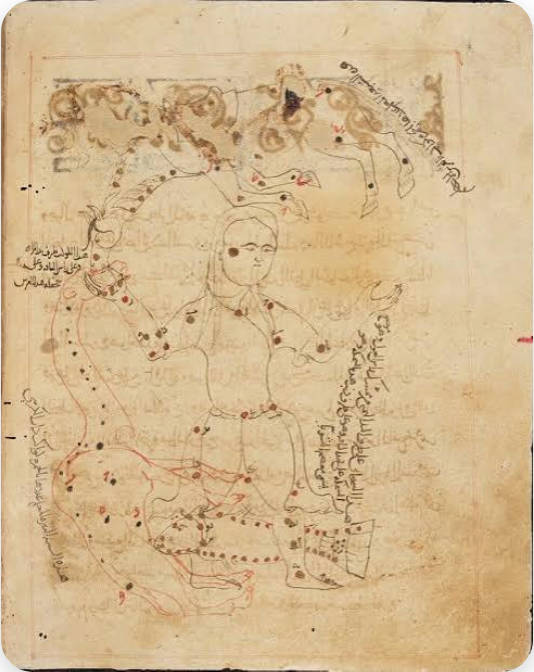
Abd al-Rahman Ibn Khaldun (1332-1406) explicitly criticized astrology in his Muqaddimah: 'There is no evidence that stars influence human events. Astrologers' predictions are merely coincidental hits.' This is one of the most systematic rejections of astrology in the Islamic world.
Al-Biruni clearly established the difference between astronomy and astrology. In Kitabu't-Tefhim, he positioned astronomy as 'exact science' and astrology as 'debatable art.' However, he did not entirely oppose astrology but documented it as a 'cultural tradition.'
Astrology is debated in Islamic jurisprudence. Majority view: knowledge of the unseen (ghayb) belongs only to God. However, astronomy is legitimate for calendar calculation, qibla determination, and prayer times. This distinction is the basis of the ilm al-hay'a (legitimate) vs. ahkam al-nujum (debatable) separation.
Modern science does not scientifically support astrology's fundamental claims that planetary positions influence human behavior, personality, or destiny. Controlled studies have shown that astrological predictions perform no better than random chance. However, science historians acknowledge that astrology historically developed astronomy, mathematics, and cultural thought together.
Not prophecy, not diagnosis: 10 deep dream symbols with four distinct scientific, cultural, psychological, and LÂL reflection layers & interactive pattern analysis.
CELESTIAL LITERACY LAB
Look at the same sky through three lenses: measurable position, historical calculation and cultural narrative. Yıldızname places them side by side without confusing one for another.
READING METHODThe knowledge layer keeps scientific observation, historical record and cultural interpretation distinctly labelled.
01 · POSITION
A celestial calculation is incomplete without a stated place and time. The same object appears differently with latitude, hour and horizon conditions.
02 · MODEL
Coordinate systems, calendars and projections are models. They make calculation possible, but the chosen reference must remain visible.
03 · MEMORY
Observation, geometry, time and craft meet in one object. The astrolabe is therefore not only a calculating instrument but a historical example of knowledge design.
04 · LIMIT
Yıldızname documents historical meanings attached to the sky. It does not present them at the same evidential level as astronomy or issue definitive claims about personal fate.
QUESTION FOR THE TRAVELER
Does a celestial sign change when the instrument changes—or when the culture telling its story changes?